

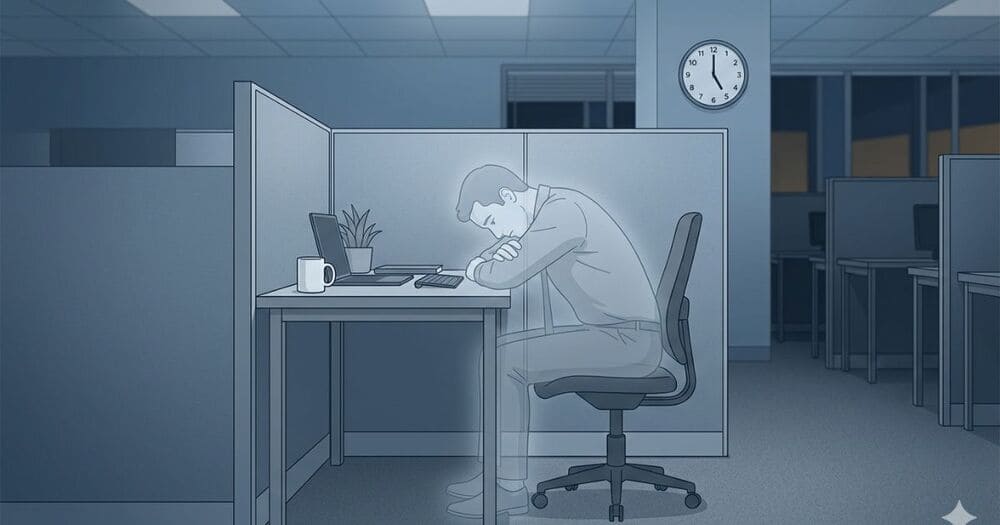
Have you ever found yourself dragging your feet to work, counting down the hours until you can clock out, and doing just enough to get by? If you answered “YES,” you might be part of a growing trend in the workforce that no one is really talking about: Quiet Quitting.
But here’s the twist: It’s not about leaving your job or slacking off on purpose. It’s a subtle, quiet disengagement from the hustle culture—and it’s creeping into workplaces everywhere. Trust me, this is a crisis that can quietly but surely bring down productivity and morale.
What Is Quiet Quitting?
Simply put, quiet quitting happens when employees stop going above and beyond their job descriptions. They do the bare minimum—no more, no less. They still show up, complete their tasks, but they’ve mentally checked out.
It’s as if they’ve silently drawn a boundary between what they’re paid to do and what they’re expected to do. Suddenly, those extra “go-getter” moments are no longer part of the equation.
Think of it like ordering a large pizza but only eating half the slices—you’re still getting what you paid for, but there’s no enthusiasm for seconds.
Why Is Quiet Quitting Happening?
You might wonder why employees are opting for this passive approach to their careers. The reasons vary, but employee burnout is a major driver.
1. Burnout and Exhaustion
Many workers feel stretched thin, juggling endless responsibilities, unreasonable expectations, and insufficient support. The result? They get tired, disengage, and check out mentally.
2. Lack of Recognition
If an employee works hard but doesn’t receive the acknowledgment or reward they deserve, it’s easy to fall into a “why bother?” mindset. And who can blame them?
3. Poor Work-Life Balance
The pandemic showed us all that life outside work is precious. Employees are craving more time for themselves, their families, and their passions. When work demands overshadow that, quiet quitting becomes a coping mechanism.
The Dangers of Quiet Quitting
Quiet quitting might sound like an easy way for workers to protect themselves from burnout, but the repercussions are widespread. It’s like a slow leak in a tire—you won’t notice the full impact immediately, but eventually, it’ll catch up to you.
1. Plummeting Productivity
When employees disengage, productivity drops. Disengaged workers aren’t focused or motivated to take on challenges. Tasks take longer, and work quality suffers. For businesses, that means lost revenue and less innovation.
2. Toxic Workplace Culture
If quiet quitting spreads, it can create a culture of mediocrity. When “go-getters” see colleagues disengaging, it breeds resentment, poor team dynamics, and passive-aggressive behaviours—none of which are productive.
3. Increased Turnover
Employees who feel unrecognized or stuck are more likely to leave. With the Great Resignation still fresh, quiet quitting only fuels the cycle of employees searching for better opportunities.
4. Stifled Creativity
Quiet quitters don’t bring new ideas to the table. They stick to routines and avoid initiative. Without fresh perspectives, companies risk falling behind competitors.
What Can Employers Do About Quiet Quitting?
If you’re an employer, quiet quitting should not be ignored. Address it before it becomes a workplace epidemic. Here’s what works:
1. Recognize and Reward Effort
People don’t work in a vacuum. Recognition—whether public praise, a bonus, or a simple thank-you—goes a long way. When employees feel appreciated, they’re more likely to go above and beyond.
2. Promote Work-Life Balance
Respect employees’ personal time. Flexible hours, remote work options, and a culture that supports time off can prevent burnout and keep people invested in their roles.
3. Foster Open Communication
Employees need to feel safe expressing concerns. Use one-on-ones, surveys, or anonymous channels to uncover what’s really driving disengagement—and then act on it.
4. Create Career Development Opportunities
Offer training, mentorship, and growth paths. Everyone wants to know their time and effort are contributing to something greater. Career development re-engages employees.
5. Improve the Work Environment
Sometimes, the problem isn’t the job—it’s the environment. If employees feel stuck in a toxic, overworked, or uninspiring atmosphere, disengagement follows. Build a positive, supportive culture.
Is Quiet Quitting the End of the World?
Not quite. Quiet quitting doesn’t have to be the death knell of productivity. In fact, it can be a wake-up call for employers to examine how they manage their teams.
The key is recognizing that the problem isn’t the employee—it’s the system fostering disengagement.
So whether you’re an employee silently checking out or an employer wondering why motivation is low, take a step back. Quiet quitting doesn’t have to become a crisis if we address it head-on.
And remember: In the world of work, balance is everything. When employees feel empowered, engaged, and valued, everyone wins.